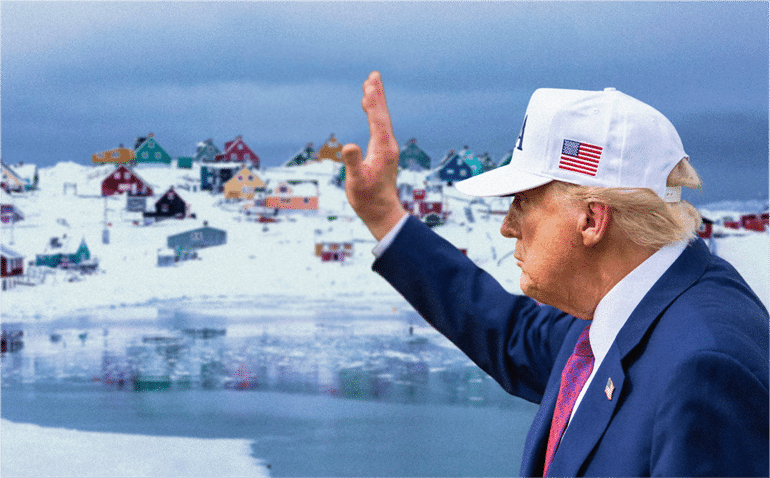
Greenland, an autonomous territory of Denmark, currently finds itself at the center of unprecedented geopolitical and economic attention. As defense and cooperation agreements between Washington, Copenhagen, and Nuuk continue to strengthen, a burning question arises: what will the true economic impacts of this rapprochement be for the Arctic island and its partners? Between promises of massive investments in natural resources and new challenges to sovereignty, Greenland’s economic model is poised for a historic turning point.
AN UNPRECEDENTED OPENING TOWARD MINING AND OIL EXPLORATION
One of the most significant shifts lies in the acceleration of exploration within Greenland’s subsoil. Recent statements underscore the desire to intensify mining and oil prospecting in this region, which is rich in critical raw materials.
Greenland possesses immense deposits of rare earth elements, zinc, nickel, and copper—components that are indispensable for the global energy transition and advanced technologies. For the United States, securing direct access to these resources outside the sphere of influence of geopolitical rivals constitutes a major strategic objective. For Greenland, this represents the promise of a considerable financial windfall, intended to diversify an economy historically dependent on fishing and Danish subsidies.
TOWARD THE END OF ECONOMIC DEPENDENCE OR A NEW TYPE OF TUTELAGE?
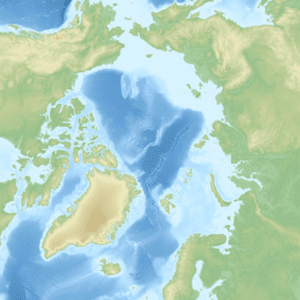 Up to this point, Greenland’s economy has relied heavily on the block grant (the bloktilskud) paid annually by Denmark, which accounts for a substantial share of the autonomous government’s budget. The stated goal of local authorities has always been to achieve political independence through economic self-sufficiency.
The arrival of American investors and capital could accelerate this quest for autonomy. By developing its own extractive industries, Greenland hopes to generate independent tax revenues and create skilled jobs for its local population. However, this model carries a risk: replacing one dependency (on Copenhagen) with another (on the economic and technological interests of Washington). The management of financial benefits and the equitable distribution of the generated wealth will be crucial points of vigilance for the Greenlandic Parliament (the Inatsisartut).
THE ECOLOGICAL AND LOGISTICAL CHALLENGES OF THE ARCTIC RUSH
The exploitation of Greenland’s riches will not come without hurdles. From an economic perspective, infrastructure costs in the Arctic remain staggering. The lack of roads, deep-water ports, and modern transport networks demands astronomical initial investments that private companies cannot shoulder alone without government guarantees.
Furthermore, this economic opening raises major environmental concerns. While climate change is indeed making access to deposits easier, it is also destabilizing local ecosystems. Fishing, which remains the traditional pillar of the local economy and the country’s number one export, could be threatened by poorly managed oil or mining exploration projects. The challenge for Nuuk will be to reconcile short-term economic growth with long-term environmental sustainability.
A GLOBAL GEOSTRATEGIC AND COMMERCIAL IMPACT
Finally, this strengthened partnership alters Greenland’s position on the global commercial chessboard. By integrating more closely into Western supply networks, the island is becoming an indispensable maritime and strategic hub, notably with the opening of new Arctic sea routes. Indirect spillovers will be felt across the services, construction, and logistics sectors.
In conclusion, the agreement and the dynamic partnership between the United States and Greenland mark the beginning of a new era. While they offer a historic opportunity for diversification and prosperity for this Arctic territory, they also demand heightened rigor to safeguard the environment, cultural identity, and sovereign interests of the Greenlandic people against the appetites of major powers.